Educational conversations about how people navigate daily meal-related choices in real life
MealContext offers structured informational discussions focused on everyday eating patterns, recurring situations, practical organization, and the common moments that shape food-related decisions throughout the day.
Explore Discussions
Food-related decisions happen continuously, often without deliberate planning. They emerge from the intersection of availability, timing, and circumstance.
Small, repeated selections mark the rhythm of daily life: what to prepare for the morning, what to bring along, whether to eat at a desk or step away, and what feels appropriate for a given moment.
These choices are neither right nor wrong, but they form patterns that reflect individual routines, preferences, and the practical realities of each day. Our educational discussions observe how these patterns take shape, without prescribing what they should look like.
Every day contains distinct eating moments that follow personal and social rhythms
The start of the day often involves quick decisions made within limited timeframes. Some individuals prepare something at home, others grab items on the way, and many adjust based on how much time remains before obligations begin.
Mid-day breaks vary widely. Some people bring prepared items, others purchase something nearby, and many navigate social dynamics when eating with colleagues. Main evening meals might be shared with family or eaten alone, depending on household structure.
The later hours bring different considerations: what was already consumed earlier, what requires preparation effort, and how energy levels influence motivation to cook or assemble something.
Multiple factors converge to shape food choices, operating simultaneously and often competing with each other.
The minutes available before the next commitment heavily influence what seems feasible. Quick options become more attractive when time is constrained.
Physical surroundings determine what options are within reach. Home kitchens offer different possibilities than workplaces or transit locations.
The cognitive effort required to organize meals ahead varies by individual and circumstance. Some find advance preparation natural, while others prefer spontaneous selection.
Mental bandwidth fluctuates throughout the day. Food decisions made during high-focus periods differ from those made when tired or preoccupied.
Physical settings create the backdrop for daily eating patterns
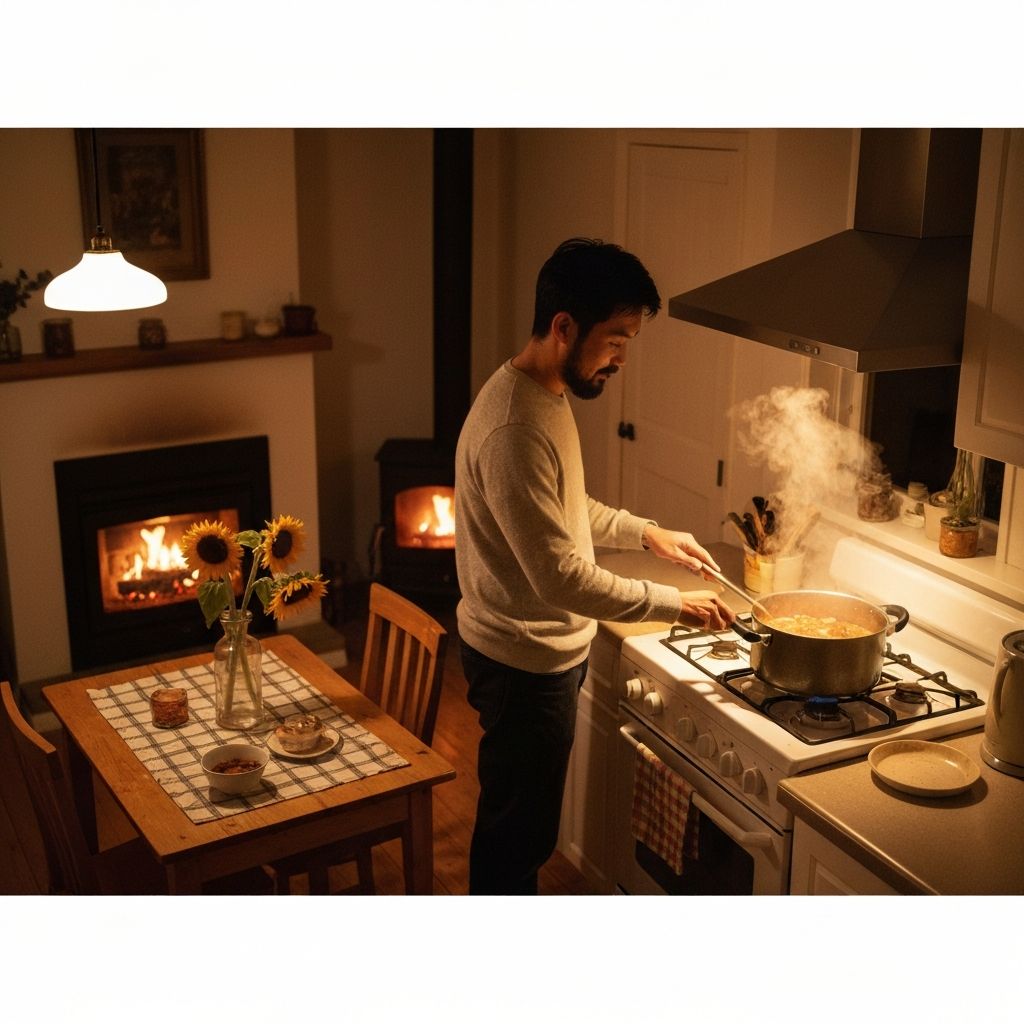
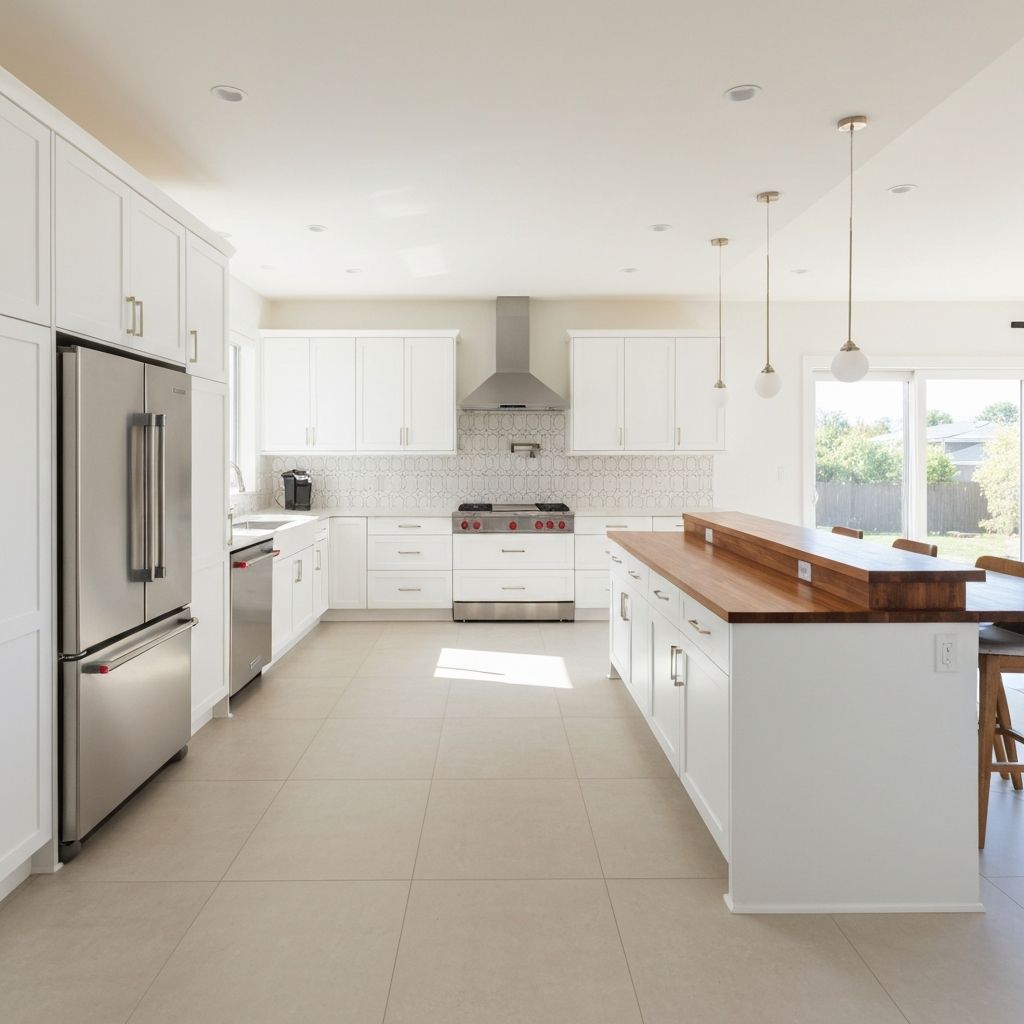
Kitchens and dining areas at home provide the most control over food preparation and timing. Storage, appliances, and accumulated ingredients shape what feels convenient.
Office environments present specific constraints: available refrigeration, microwaves, nearby food vendors, and social norms around when and where eating happens during work hours.
Streets, parks, transit stations, and other public spaces introduce unpredictability. Options depend on what establishments are nearby and what can be easily transported and consumed.
Most individuals develop recognizable eating patterns over time. These patterns emerge from repeated experiences and become default approaches that require less active decision-making.
Weekday routines often differ from weekend patterns. Work schedules impose structure, while days off allow more flexibility in timing and food selection.
Familiarity breeds efficiency: returning to the same breakfast items, ordering from known restaurants, or following established grocery shopping routes. These repetitions simplify daily life but can also create blind spots regarding alternatives.
Our educational discussions help individuals recognize their own patterns without suggesting that change is necessary. Observation itself can be valuable, regardless of whether any adjustment follows.
Specific circumstances shape food decisions in distinct ways
Purchasing decisions occur in specific contexts: navigating aisles, comparing options, managing budgets, and anticipating future needs while uncertain about exact plans.
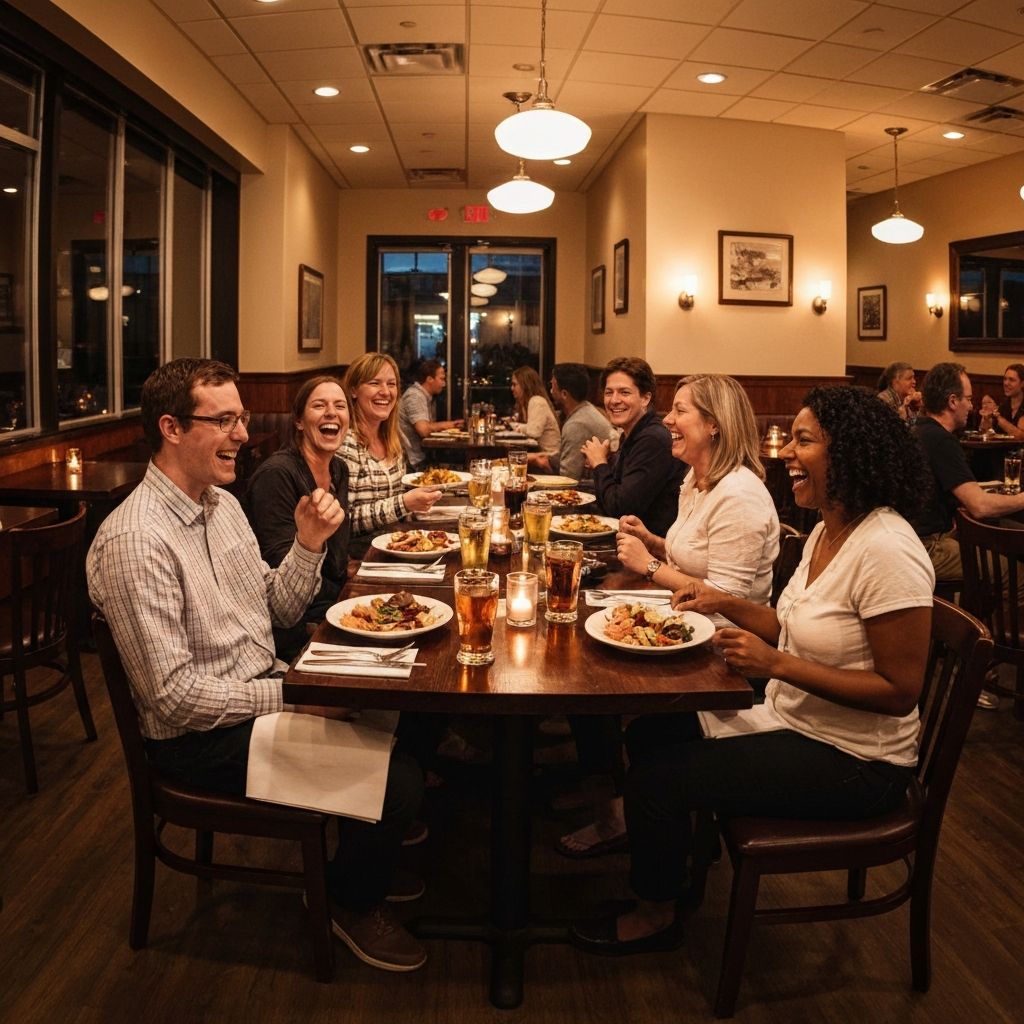
Restaurants and cafes present bounded choice sets. Menus, prices, portion sizes, and social context influence what feels appropriate to order.
Movement between locations creates special constraints. Portability, shelf stability, and eating logistics while in transit narrow available choices.
Daily rhythm influences food decisions in subtle but persistent ways. Busy periods compress decision-making time and favor quick, familiar options.
Calmer days allow more space for consideration, experimentation, or elaborate preparation. The subjective experience of having time matters as much as objective minutes available.
Pace varies not just by day but by season and life phase. Professional obligations, family responsibilities, and personal commitments all affect how rushed or relaxed eating moments feel.
Our discussions explore how individuals experience tempo shifts and how these shifts relate to their food patterns, without connecting these observations to any specific outcomes or suggesting that particular paces are preferable.
MealContext provides educational discussions only. Our format has clear boundaries that participants should understand before engaging:
Our discussions conclude with descriptive summaries of patterns observed during conversation, not with instructions or next steps. The value lies in enhanced awareness, not in prescribed changes.
Anyone seeking specific guidance, structured plans, or outcome-focused approaches should look elsewhere, as our format deliberately excludes these elements.

Conversations explore your current eating patterns, the contexts in which decisions occur, and the factors that influence your choices. The discussion remains observational and descriptive throughout.
Individuals curious about their own decision-making patterns, people interested in understanding how daily context shapes choices, or anyone seeking neutral observation rather than prescriptive guidance.
Session length varies based on individual preference and the complexity of patterns being discussed, typically ranging from brief exchanges to extended conversations over multiple sessions.
No advance preparation is required. Discussions work with whatever observations and recollections you can readily access during the conversation itself.
No. The format explicitly excludes recommendations, instructions, action plans, and prescriptive guidance. Discussions conclude with descriptive summaries only.
Educational discussions focus solely on decision-making context and patterns, not on nutritional content, health outcomes, or food properties. We observe how choices happen, not what should be chosen.
Our format does not target specific goals, outcomes, or changes. If you seek goal-oriented support, other formats would be more appropriate.
Conversations are facilitated by food-related professionals trained in observational discussion techniques, focused on pattern recognition rather than advice delivery.
The informational approach works best for individuals comfortable with open-ended exploration. Those preferring structured plans or clear directives may find the format less satisfying.
If you value self-observation, appreciate nuanced exploration, and do not require immediate actionable steps, the format may align with your preferences. If you seek quick solutions or explicit guidance, it likely does not.
MealContext does not sell services directly. This website serves purely informational and educational purposes.
Use the contact form below to share your email address for informational updates about educational discussions on everyday food decisions.
MealContext provides educational information about everyday food decisions through structured, observational discussions.
We do not sell products or services directly. This platform exists to describe our informational approach and connect interested individuals with updates about educational discussion opportunities.
Educational discussions about everyday food decisions
Address: Jalan Setiabudi Tengah No. 27, Bandung 40143, Indonesia
Phone: +62 22 8457 1936
Email: [email protected]